




Emulsion
Absolutely love the product. Great sound, great options, wonderful implementation.
Marc Smith
Emulsion
Emulsion AD - DA emulator.
Emulsion AD - DA emulator.
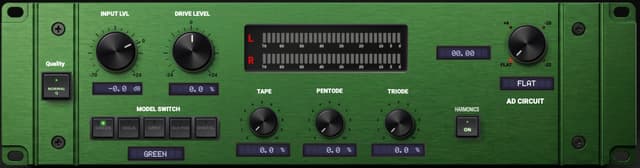
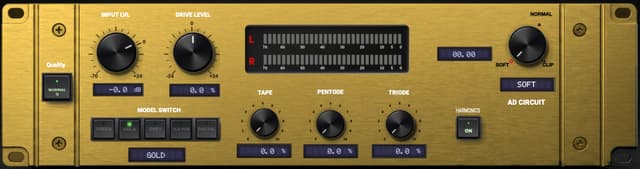
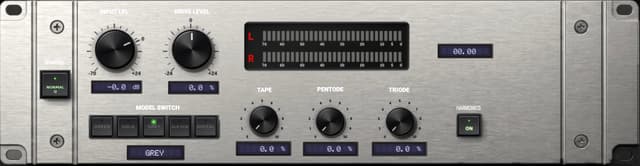

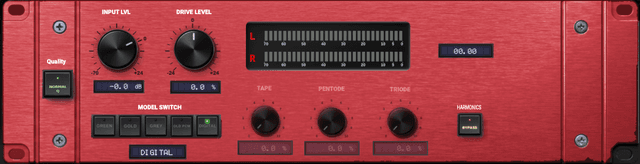
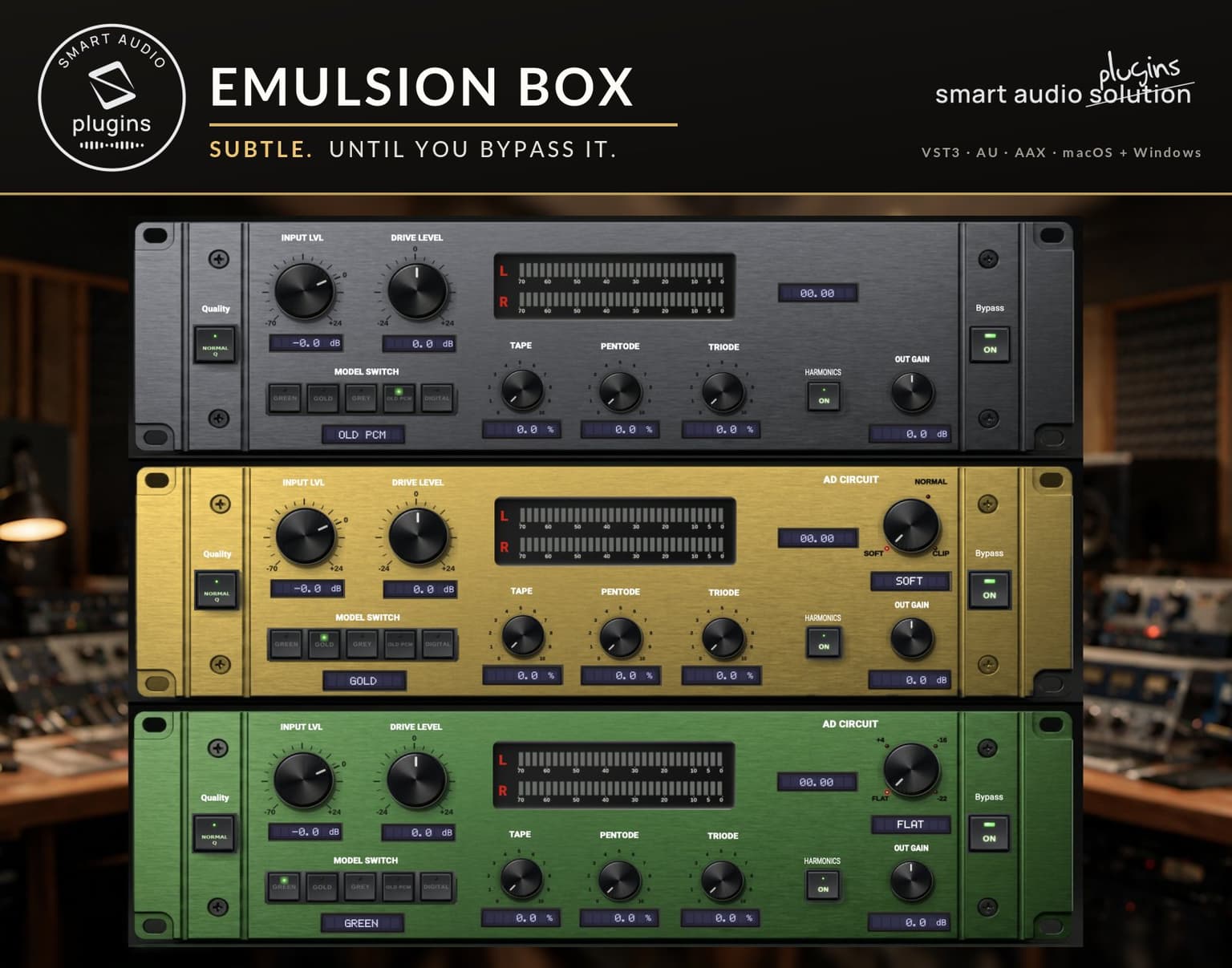
Emulsion BOX is a highly accurate emulator of four highly acclaimed converters; it also offers colour mix-and-match functionality and a digital harmonic THD section that can be used across the various modules
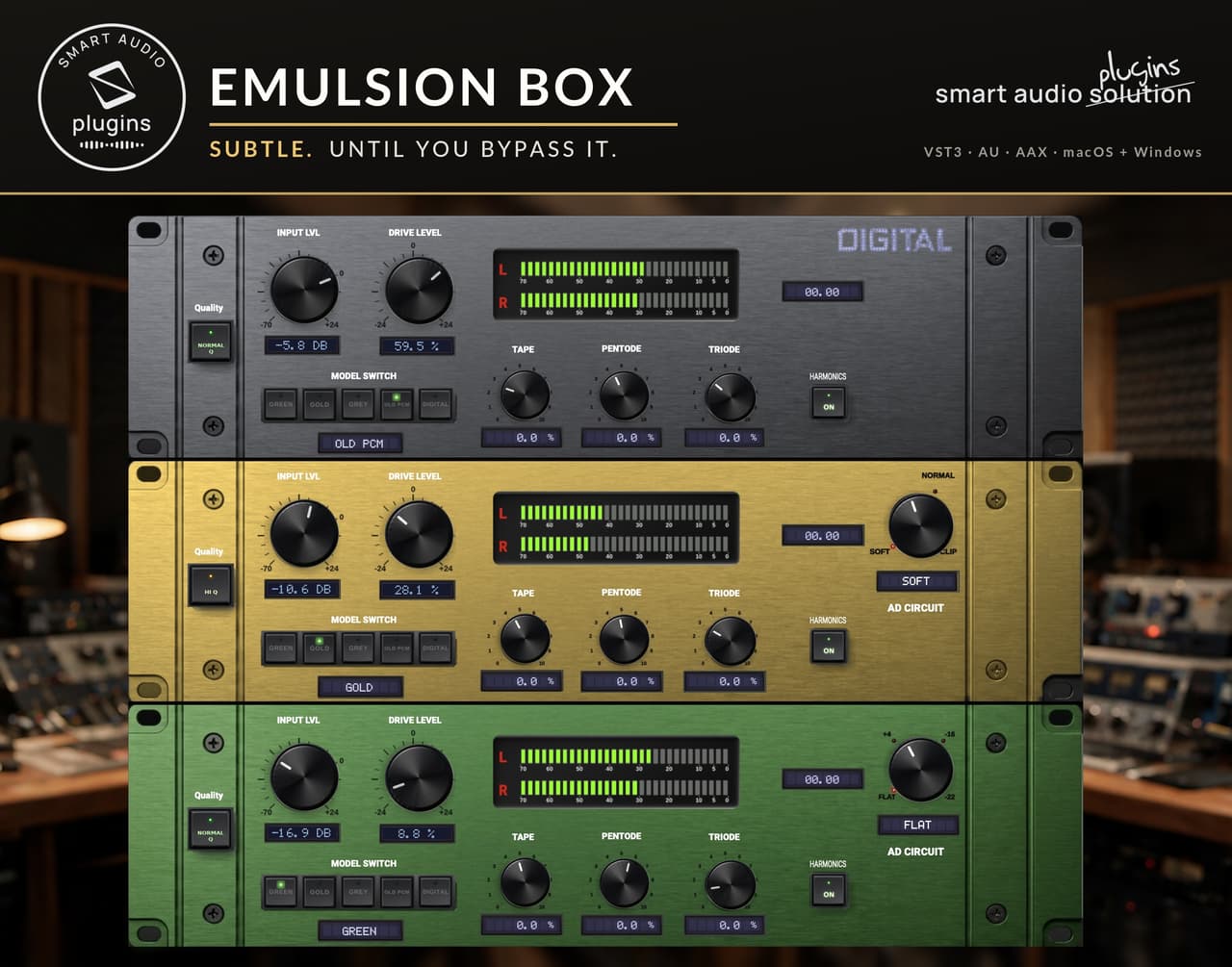
In photography, emulsion is the process that decides the grain, the quality, the emotion that film will give back to us. Emulsion was built with that idea in hand. It takes its inspiration from analogue circuits that create character, emotion and colour — sometimes subtly, sometimes far more openly. With Emulsion you can now combine those sonic characters that make the difference for a record that is produced, and that moves people.
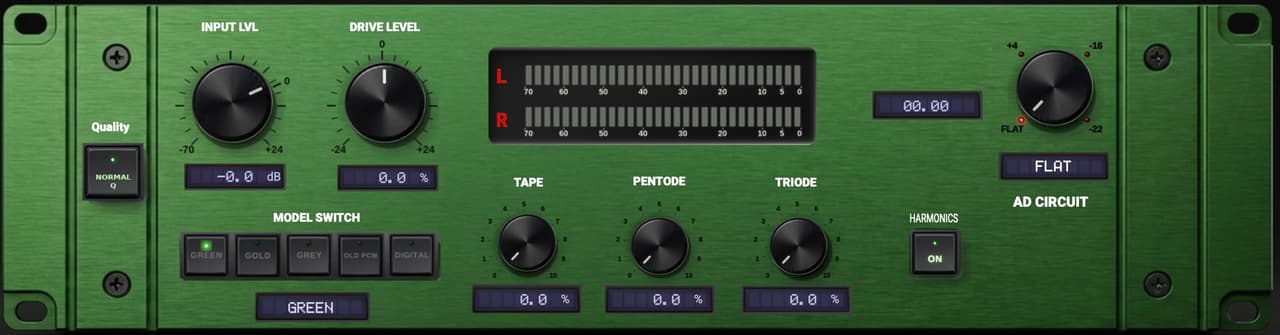
Conversion to the analogue domain is not just about quality; it is also about recreating that sonic cohesion that makes all the difference across every musical genre. Emulsion not only recreates this cohesion but also allows you to ‘blend’ sounds together in a way that would be either impossible or extremely costly in the real world.
Emulsion is a subtle-sounding instrument, but BEWARE: during countless listening tests and calibration sessions, we noticed something: in blind tests comparing the bypassed signal with the processed sound, in 99 per cent of cases – even at the lowest settings – the processed signal was preferred. Emulsion excels both on individual instruments and on the master bus, tightening up the sound and creating that ‘produced’ sound we’re all looking for
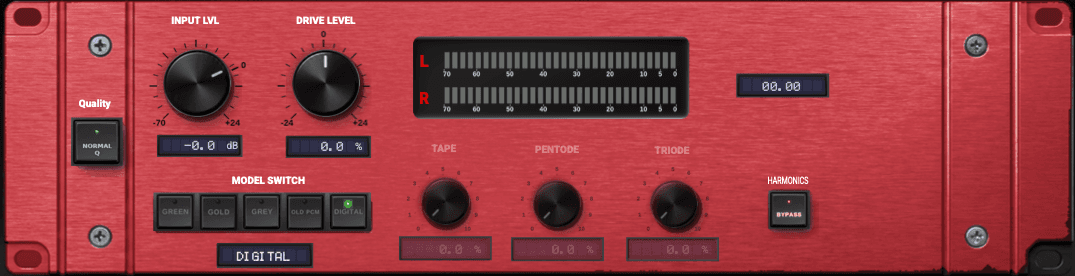
This is the pure THD algorithm without the colour of the conversion..... Here’s the best bit: unlike in the real world, where it would be impossible to do so, this saturation level is available on all conversions – an extra touch of colour that isn’t possible with hardware.

5 Models: GREEN, GOLD, GREY, OLD PCM and DIGITAL – the last one being the pure THD stage without the AD conversion. Some of the machines that inspire us have only the AD stage, whilst others have a full AD/DA chain – just like in the real world.
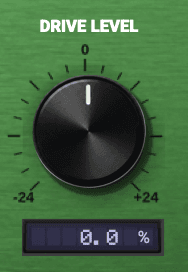
Turning the control clockwise gives you the neutral, balanced sound of the emulated unit; turning it anti-clockwise makes the sound brighter and less rich in harmonics. If you turn it clockwise, the sound becomes richer and slightly darker.This parameter affects the amount of signal that modulates the transformers or the pre-conversion circuit. The colour this control adds to the sound depends very much on the input level: if you’re mixing individual tracks and have plenty of headroom, you’ll have more leeway; if you’re inserting the module at the end of the mastering chain, you’ll immediately notice the effect on harmonic distortion. In this context, it’s best to set it to zero or turn it anti-clockwise, unless you want to create a super-saturated, clipped effect – which is sometimes just what a mix needs, isn’t it?
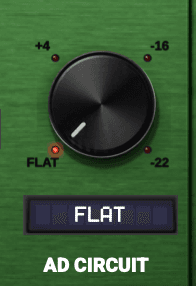
Where available, this mode switches the saturation level to either the transformer or pre-conversion mode. I don’t have any specific advice to give you – just use your ears depending on the music source. What I can tell you is that the ‘green – 22dB’ mode is perfect for achieving RMS levels without raising the peak… brilliant… I’m curious to see how you’ll use it in your productions.
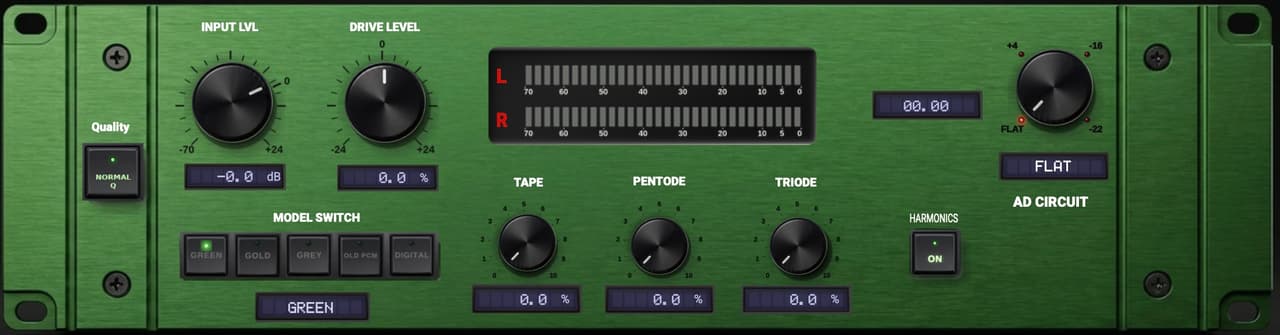
This mode emulates a famous and beautiful effects unit that can really colour the sound; I’d recommend trying it on the drum bus and on the guitars.
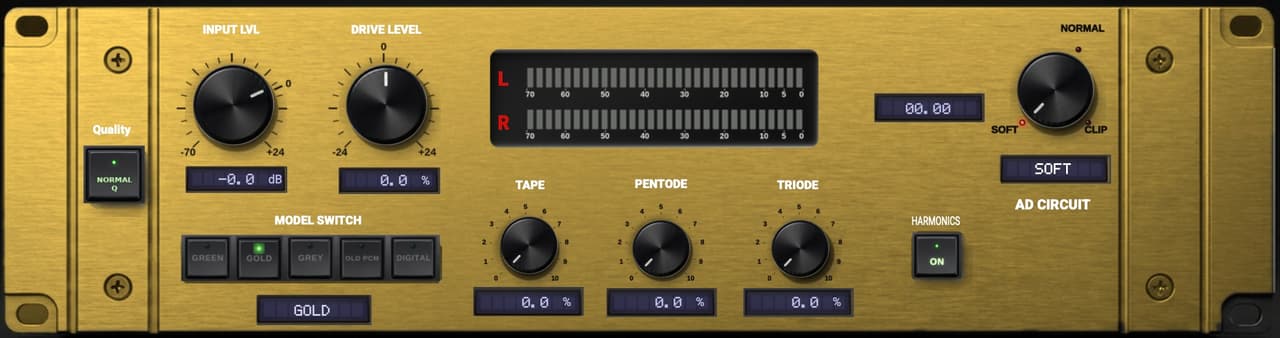
...do I really need to give you a clue as to which hardware this mode is inspired by? It’s a brilliant algorithm for producing that crisp, controlled Polish sound – less colourful and more compact than the ‘green’ one...
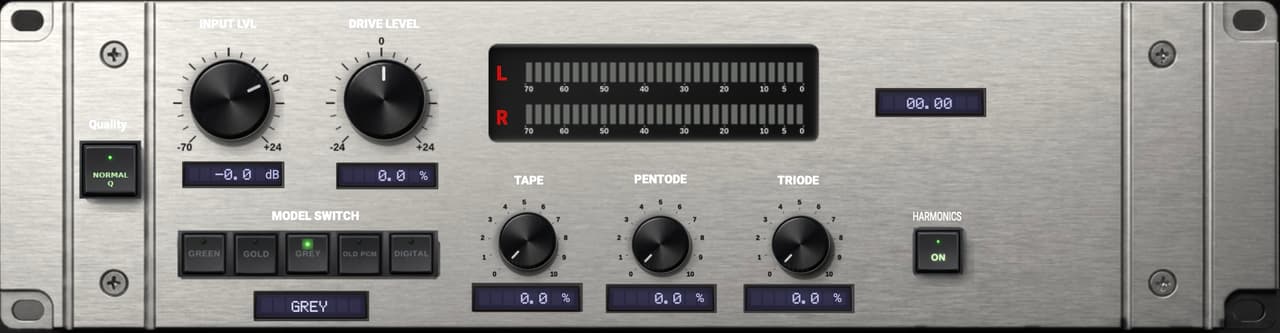
This mode is inspired by another historic design – an extremely musical conversion, but with an added twist: the central digital THD section is positioned as in the original module
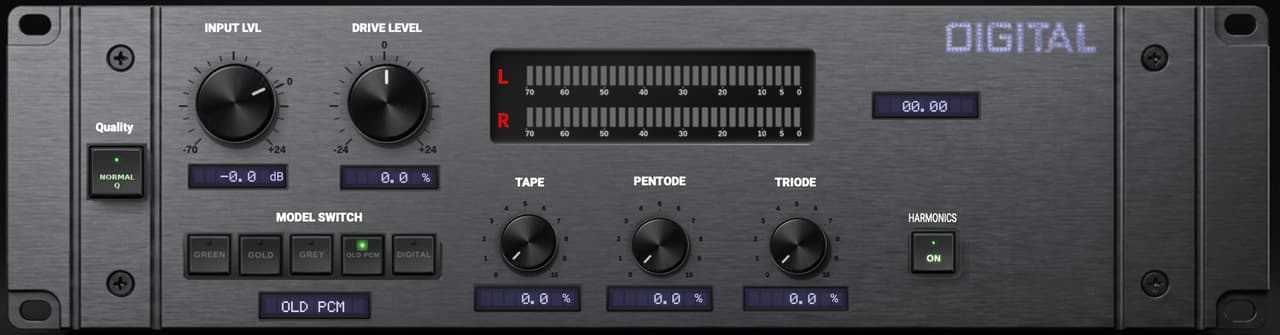
What can I say… despite its age, this module has a very distinctive sound and musicality – a much sought-after feature: that sound we all grew up with on records with great dynamics, that precise and clear sound. Even today, it’s a really useful tone. Try turning it anti-clockwise to give the sound a bright, recognisable tone – you’ll thank me later.
AAX, AU, VST3 versions
64-bit only
Ableton Live 11+ (Mac & PC: AU, VST3)
Bitwig 4+ (Mac & PC: AU, VST3)
Cubase 13+ (Mac & PC: VST3)
Digital Performer 11+ (Mac & PC: AU, VST3)
FL Studio 23+ (Mac & PC: VST3)
Garageband 10+ (AU)
Logic Pro 10+ (AU)
Pro Tools 12+ (Mac & PC: AAX)
Presonus Studio One 5+ / Fender Studio (Mac & PC: AU, VST3)
Reaper 6+ (Mac & PC: VST3)
Cakewalk Next by BandLab (PC: VST3)
AAX is a trademark and software of Avid Technology. Audio Units is a trademark and software of Apple Inc. VST3 is a trademark and software of Steinberg Media Technologies GmbH.
AAX, VST3, AU versions included
64-bit only (Mac / PC)
Mac OS X 10.15 or higher (Intel native | ARM native)
Windows 10
At least 4GB of RAM, 16GB is recommended
At least 200MB of free drive space (OS drive)
Own this product? Sign in to write a review
4.5 of 5
2 ratings
Absolutely love the product. Great sound, great options, wonderful implementation.
Marc Smith
The sound quality is pretty good, but it can be a bit slow at times. I suspect it’s using a lot of CPU resources. It would be great if you could create and upload a video with detailed instructions on how to use it.
Verified owner
by Smart Audio Solution
A limiter, compressor and expander based on a vintage PWM unit, with Time Variance Technology, a switchable transformer stage with two transformers, INPUT GAIN, AUTO GAIN, parallel DRY / WET and a level diagram that updates as you adjust the controls.
by Smart Audio Solution
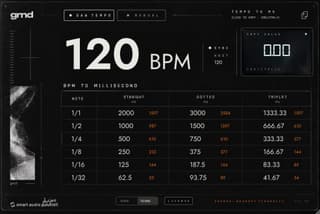
A simple BPM Reader/ converter in Millisecond and Fibonacci closest value
by Smart Audio Solution
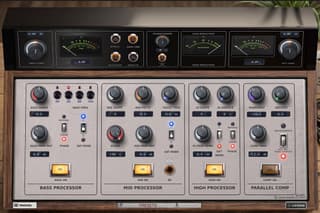
Timbral Box creates presence, emphasises the sound and, if desired, adds compression, but all of this takes place in parallel and through musical harmonic saturation.
by Smart Audio Solution
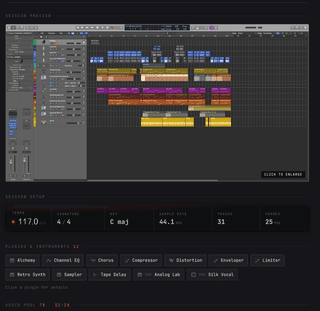
Session Reader is a simple programme that runs in Safari as an HTML page on Apple (apologies to Windows users – perhaps later) and allows you to preview key session data, depending on the type of DAW you use.
by Smart Audio Solution
box of color, a platform to shape your sound like no others
by Canvas Audio
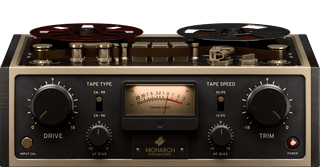
A faithful, high-end tape machine emulation focused on tone, weight, and depth without the exaggerated warble, drift, or hiss often associated with tape plugins.

by Tokyo Speirs
A full analog roundtrip (preamp, channel, tone box, tape and summing) designed to shape your sonic fingerprint before moving a single fader

by Sonic Labs Audio
The Antagonist is a multi-stage saturation and harmonic enhancement processor designed to add character, density, and attitude to any audio source. Inspired by vintage broadcast equipment and classic hi-fi control panels, The Antagonist is about giving your audio something to push against. At its core is the ANTAGONIZE control, a single macro that drives the signal deeper into harmonic complexity, increasing richness, weight, aggression, and energy as you turn it up. Six source-specific modes - Vocal, Guitar, Bass, Keys, Drum Bus, and Mix Bus - optimize the processing for the material at hand, making musical decisions behind the scenes so you can stay focused on the mix. A simple three-band tone section allows shaping before or after saturation, while a dedicated Mix control makes parallel processing effortless. The result is a processor that can add subtle color, bold attitude, or outright rebellion all while remaining fast, musical, and intuitive. The Antagonist doesn't just add distortion. It adds conflict and conflict creates character.

Bundle by Smart Audio Solution
The whole catalogue, 40% off