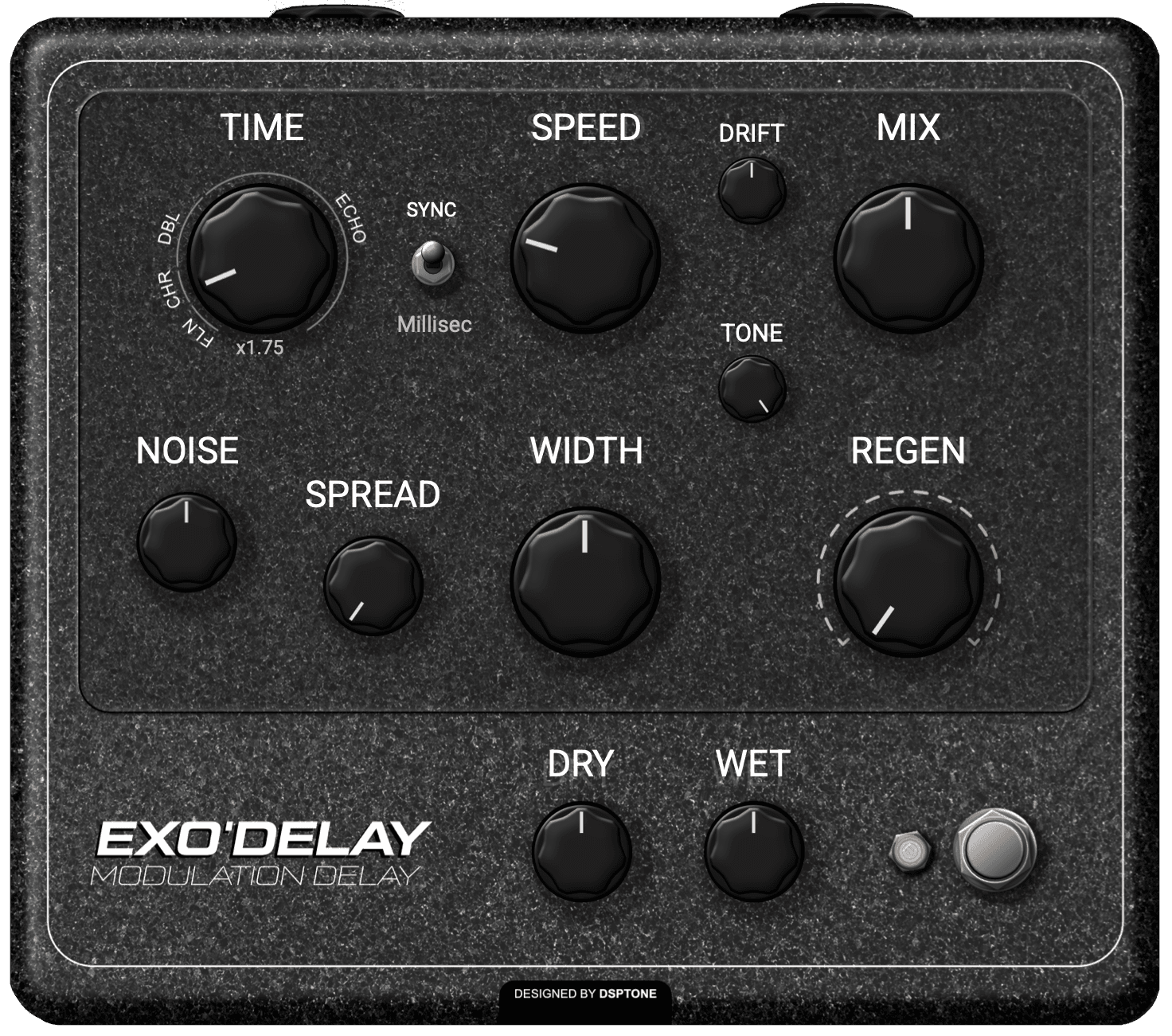
ExoDelay
From vintage digital echoes to modern evolving modulation motion
ExoDelay
From vintage digital echoes to modern evolving modulation motion
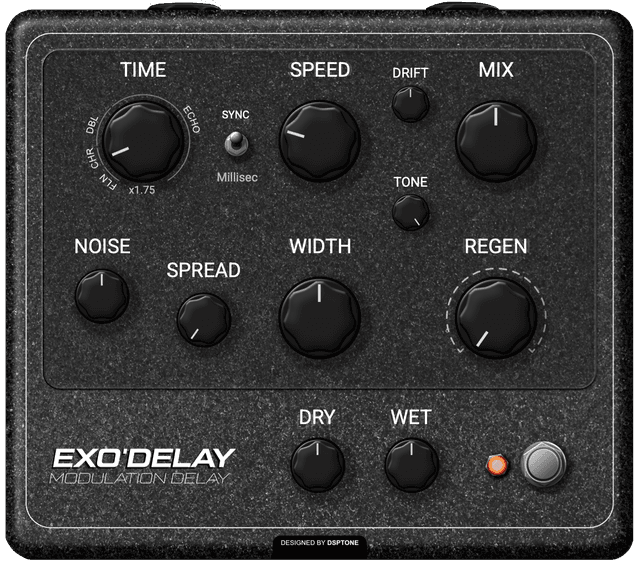
Several delay eras combined into one, from vintage modulation echoes to wide modern rhythmic textures, offering chorusing, flanging, doubling, and expressive delay. Inspired by classic digital hardware and modern modulation design.
Several delay eras combined into one, from tight vintage echoes to modern textures
Characterful modulation delay inspired by early digital delay designs of the 1980s and reimagined for modern production
- Vintage digital delay character - Modulated echoes with dynamic ducking - Classic ranges + modern triple delay mode
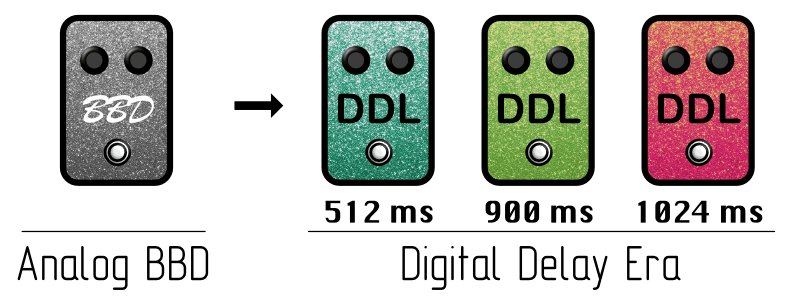
Unlike BBD, early digital units offer:
Clear repeats / Stable delay time / Modulation
However, memory was expensive and bandwidth was limited. Each generation of digital delay had its own distinct character — defined by delay time limits, filtering, noise floor, and modulation behavior. Some units focused on short, chorus-like delays. Others expanded delay time at the cost of bandwidth. Later designs pushed clarity and range further.
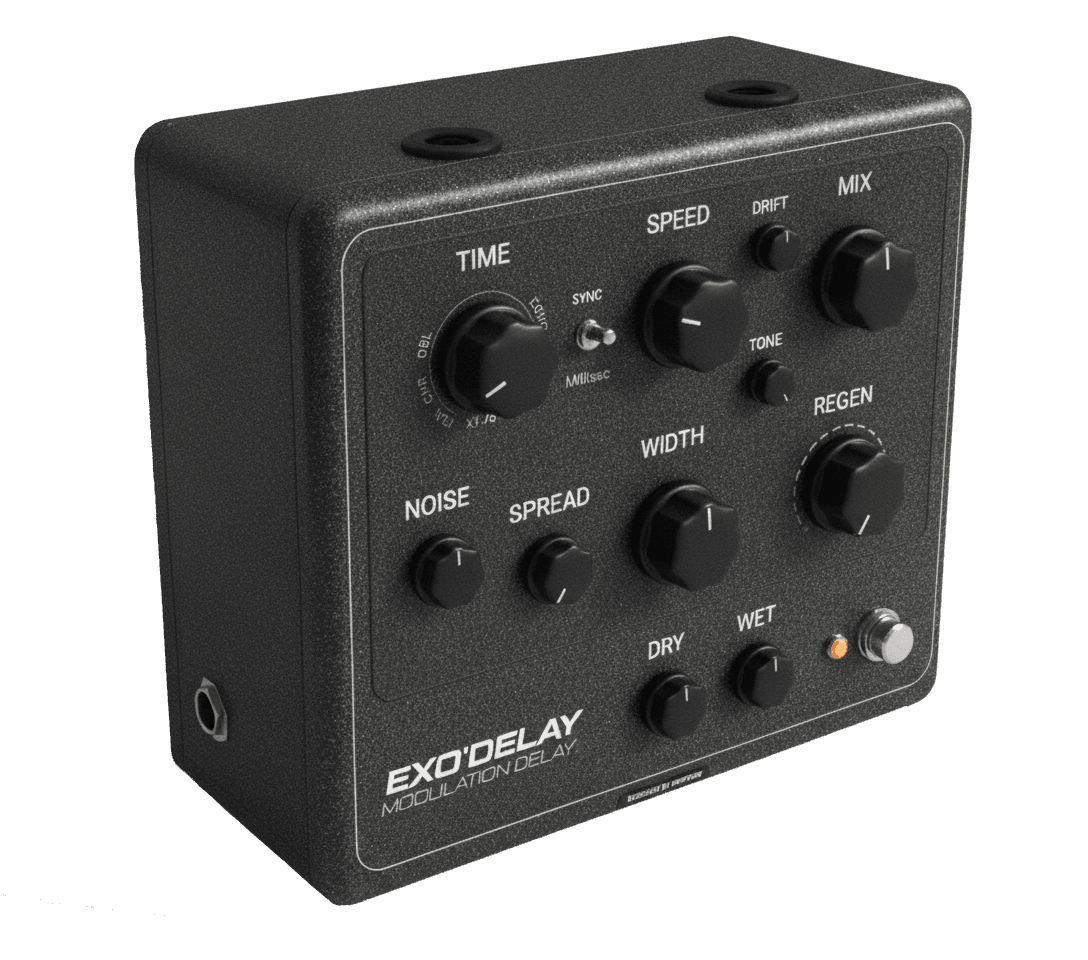
Digital Delay Still Matter Today
ExoDelay captures this evolution by offering multiple delay characters, each reflecting a different design philosophy from that era — and then extends them with modern routing and control.
Shorter delay ranges encourage rhythmic playing. Narrower bandwidth sits better in a mix. Subtle modulation adds movement without chaos. Saturation and noise create depth and presence
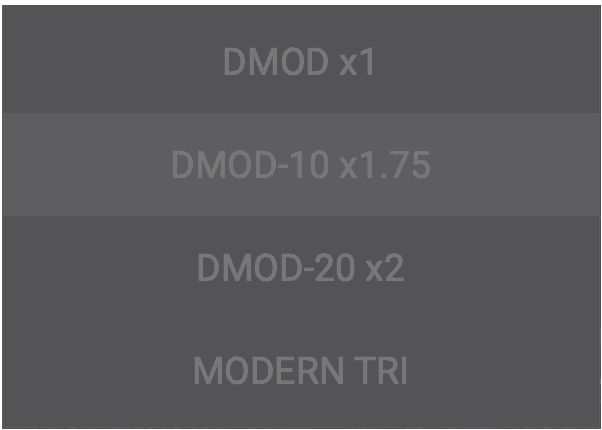
DELAY MODES
Inspired by guitar fx delay pedals
DMOD: darker bandwidth & stronger character. Rhythmic echoes and classic modulation textures. DMOD-10: smoother tone & balanced clarity. Melodic delays and evolving modulation DMOD-20: brighter bandwidth & cleaner repeats. Spacious delays and detailed modulation MODERN TRI: x3 Delays into one evolving delay line. Ambient effects, rhythmic complexity design
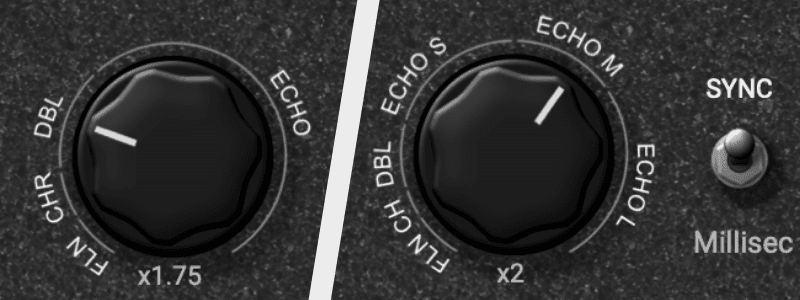
Variable time range as masterpiece
Extended automatically depending on mode.
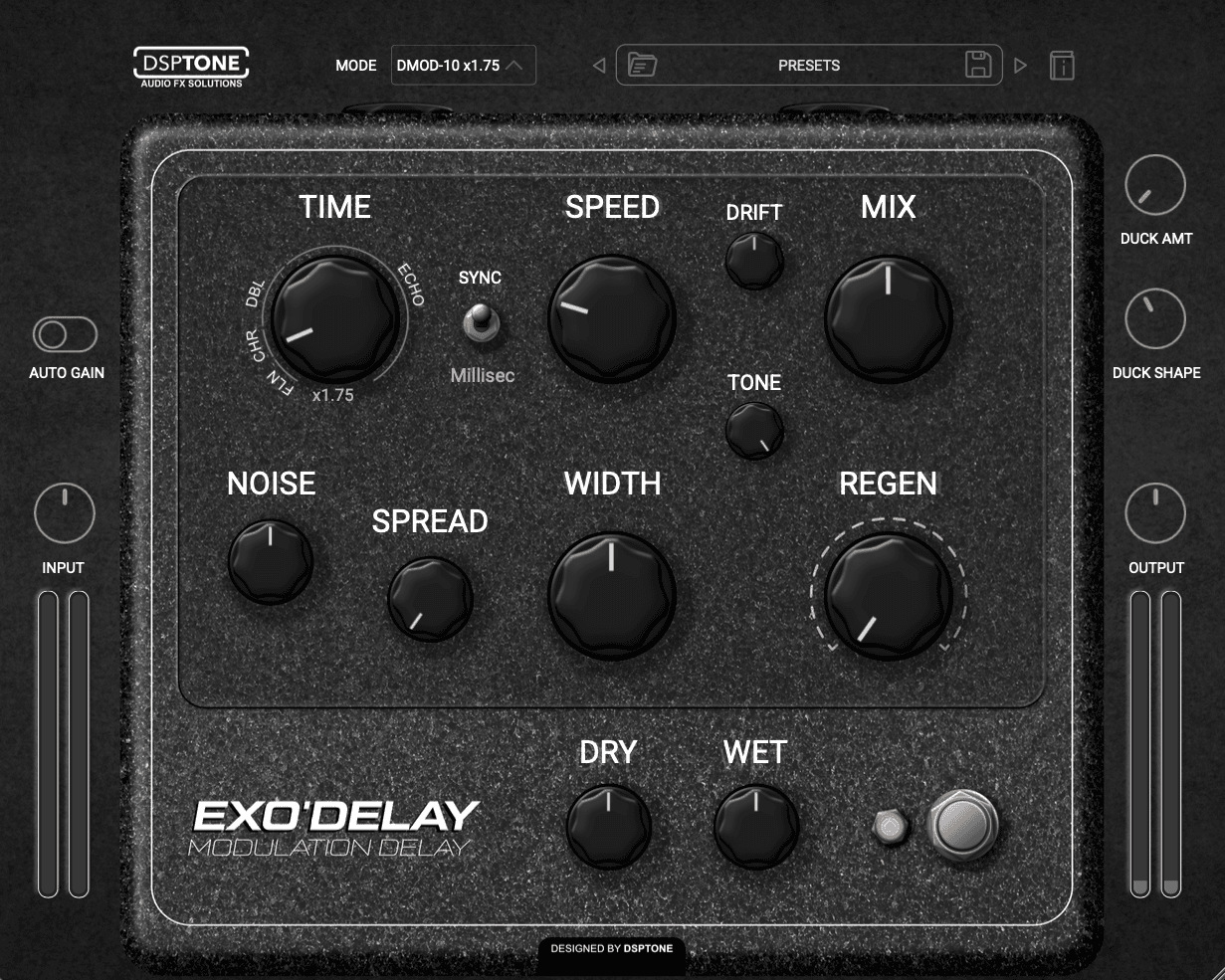
Each Delay mode includes own time range. You can create effects like flanger, chorus, vibrato, doubling, snapback and echo delay lines. Sync - switching Time parameter between Milliseconds and Beats, Triplets & Dotted time-synced values.
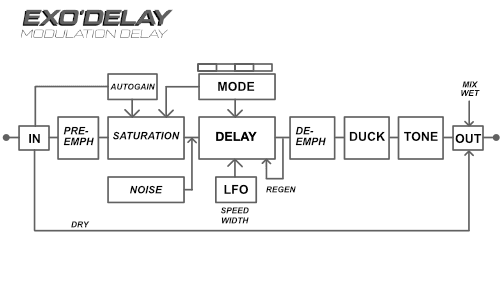
ROUTING ARCHITECTURE
Same principles as other delays, but with added feature of modulation (LFO changes the delay time)
-> Input stage -> Pre-Emphasis stage -> Saturation stage -> Delay stage -> De-Emphasis stage -> Ducking stage -> Tone stage -> Dry & Wet Mix -> Output stage
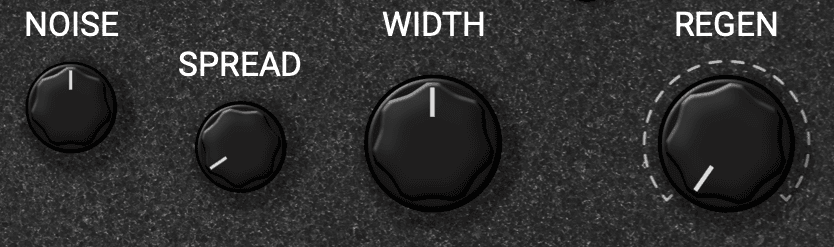
Noise, Spread, Width & Regen
We build it with noise injection of vintage chips with saturated and bandwidth limited character. Emphasis & De-emphasis stages is also part of the device architecture. Noise adds perceived motion, improve depth illusion, makes feedback feel alive. Spread adjusts the stereo width, adds flanger effect. Regen set the amount of delayed signal fed back into the delay stage
Additional control
AUTOGAIN: Adjusts the output level of the saturation stage to match the input level. DUCK AMT: Amount of level reduction on the effect signal. Duration of the ducking effect controlling by the delay TIME knob. DUCK SHAPE: Controls how smooth or sharp the ducking response is
Sound Examples
USE FOR INSTRUMENTS PROCESSING
- GUITAR: Rhythmic delays. Modulated leads. Clean ambient textures - BASS: Short delays with ducking. Subtle modulation for width - SYNTHS: Animated echoes. Stereo movement. Sound design layers - VOCALS: Tempo-synced delays. Ducking for clarity. Darker Tone settings - DRUMS & PERC: Slapback echoes. Stereo rhythmic delays. Controlled feedback textures
EXODELAY UPDATE 1.0.8
- Performance improvements (Improved CPU usage). - Add DRIFT control (Spread modulation depth with positive/negative polarity). - Presets updated for backward compatibility with DRIFT parameter. UPDATE 1.0.6: - Improved CPU and RAM usage: significant performance improvements. - True Bypass: Bypass no longer utilize CPU Bug Fixes: - Fixed feedback and timing issues - Fixed Signal Generator white noise mode [sometime can playing pink noise] UPDATE 1.0.5: - Fixed HiDPI resolution support for Windows - Stability improvements
AAX, AU, VST3 versions
64-bit only
Ableton Live 11+ (Mac & PC: AU, VST3)
Bitwig 4+ (Mac & PC: AU, VST3)
Cubase 13+ (Mac & PC: VST3)
Digital Performer 11+ (Mac & PC: AU, VST3)
FL Studio 23+ (Mac & PC: VST3)
Garageband 10+ (AU)
Logic Pro 10+ (AU)
Pro Tools 12+ (Mac & PC: AAX)
Presonus Studio One 5+ / Fender Studio (Mac & PC: AU, VST3)
Reaper 6+ (Mac & PC: VST3)
Cakewalk Next by BandLab (PC: VST3)
AAX is a trademark and software of Avid Technology. Audio Units is a trademark and software of Apple Inc. VST3 is a trademark and software of Steinberg Media Technologies GmbH.
AAX, VST3, AU versions included
64-bit only (Mac / PC)
Mac OS X 10.15 or higher (Intel native | ARM native)
Windows 10
At least 4GB of RAM, 16GB is recommended
At least 200MB of free drive space (OS drive)
Customer reviews
Own this product? Sign in to write a review
No reviews yet. Only people who bought this product can write one.
More from DSPTone
by DSPTone
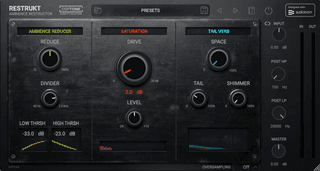
Unique spatial reconstruction plugin that combines sustain reduction, analog tape saturation, and a pristine shimmer reverb. Designed primarily for drums, loops, vocals, and synth plucks, it allows you to strip away unwanted natural acoustic clutter and replace it with a tight, warm, and highly controlled burst of modern analog air.
by DSPTone
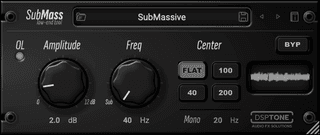
SubMass is designed to solve the ultimate mixing challenge: achieving a massive, powerful bass response that remains perfectly tight, clean, and focused. In standard mixing, boosting low-end with a traditional equalizer often introduces unwanted sub-bass mud, robs your mix of headroom, and creates a flabby, uncontrolled low-end. SubMass fixes this by using a specialized, interactive filtering circuit. It creates a tight, resonant volume peak right at your chosen target frequency while simultaneously executing an aggressive high-pass cutoff immediately below it.
by DSPTone
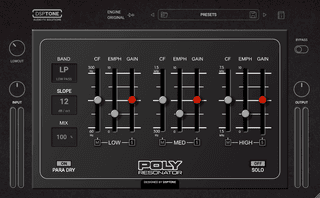
Resonance as a tonal sculptor is a spectral shaping — decades before the term became common. The resonator emphasized carefully chosen bands, creating vowel-like formants, animated timbres, and shimmering harmonic structures that felt almost acoustic.
Similar products
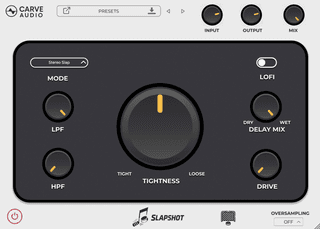
by Carve Audio
Slapshot is a slap delay designed to add instant depth, width, and character, without the mud that often comes with reverb. With built-in processing under the hood, it keeps the effect clean, controlled, and easy to blend, making your tracks sound polished in seconds.
by JVAL Audio
Based on a classic delay trick, Stereoize takes a mono signal and turns it into a wide, textured stereo sound.
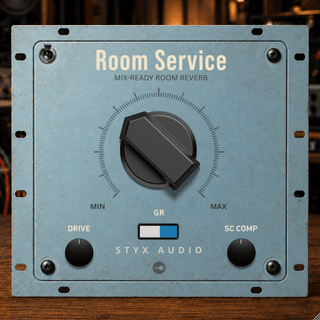
by Styx Audio
A rich stereo room reverb, pre-shaped to sit in the mix with no extra filtering needed — enhanced with saturation, compression, and dry-signal ducking that lets the room breathe without masking the source.
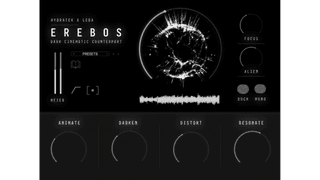
by HydraTek
Turn any sound into its dark cinematic reflection. EREBOS uncovers the hidden nature of your audio, creating movement, depth, tension, and haunting atmospheres through a user-friendly, performative interface.
Bundles with this product
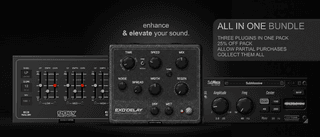
Bundle by DSPTone
bundle, dsptone, delay, resonator, low end tool, eq, filter, mix, enhancer